When searching for chimney cleaning denver services, homeowners face unique challenges that don’t exist at lower elevations. Denver’s 5,280-foot altitude creates drier air and lower oxygen levels, causing wood to burn differently and produce more creosote buildup than in coastal cities.
However, the Mile High City’s 300+ days of sunshine don’t eliminate winter heating needs. In fact, Denver experiences an average of 60 nights below freezing annually, making functional chimneys essential for safety and comfort.
Professional maintenance becomes critical because Denver’s rapid temperature swings—sometimes 40°F in a single day—cause masonry expansion and contraction that accelerates deterioration. For instance, a chimney crown crack that seems minor in October can become a major water intrusion problem by March.
This guide draws on data from over 1,200 certified sweeps across the Front Range. We’ll help you understand costs, identify qualified contractors, and maintain your system properly. Our team covers everything from annual service intervals to emergency repairs specific to Colorado’s climate.
Why Chimney Cleaning Denver Protects Your Home
When considering chimney cleaning Denver services, homeowners often underestimate how altitude affects their fireplace systems. However, Denver’s 5,280-foot elevation creates unique combustion challenges that accelerate creosote buildup and increase fire risk.
Altitude Creates Faster Creosote Accumulation
Denver’s thin air contains roughly 17% less oxygen than sea level. As a result, fires burn less efficiently, producing more unburned particles that stick to chimney walls. In our 15 years serving Front Range homes, we’ve seen chimneys develop dangerous creosote levels in just 40-50 fires—half the time it takes at lower elevations.
The National Fire Protection Association reports that failure to clean chimneys causes 27% of residential heating fires annually. For example, just one-eighth inch of creosote can ignite at temperatures above 451°F, turning your chimney into a vertical blowtorch.
Carbon Monoxide Protection at High Altitude
Because oxygen levels drop as elevation increases, incomplete combustion produces more carbon monoxide. Our inspections reveal that blocked or dirty chimneys trap this colorless, odorless gas inside homes. In fact, the Centers for Disease Control documents that over 400 Americans die from unintentional CO poisoning each year.
Professional sweeps check draft efficiency and remove blockages that prevent proper ventilation. We’ve seen bird nests, leaves, and even collapsed mortar create deadly backdraft conditions. Regular fireplace maintenance prevents these life-threatening situations.
Structural Integrity in Freeze-Thaw Cycles
Denver’s dramatic temperature swings—often 40°F in a single day—stress masonry chimneys. Specifically, moisture from condensation seeps into cracks, freezes overnight, and expands, causing spalling and deterioration.
During cleaning appointments, our team identifies:
- Cracked flue tiles that allow heat to reach combustible framing
- Deteriorating mortar joints that compromise structural stability
- Water damage from missing chimney caps or damaged flashing
- Offset sections that create turbulence and reduce draft
Therefore, annual professional cleaning serves as both maintenance and safety inspection. This protects your home investment while preventing catastrophic failures that require expensive chimney repair services.
Complete Chimney Cleaning Denver Service Breakdown
When evaluating chimney cleaning denver providers, understanding what separates basic sweeping from comprehensive service helps homeowners make informed decisions. However, not all companies deliver the same level of care or thoroughness.
What Professional Service Actually Includes
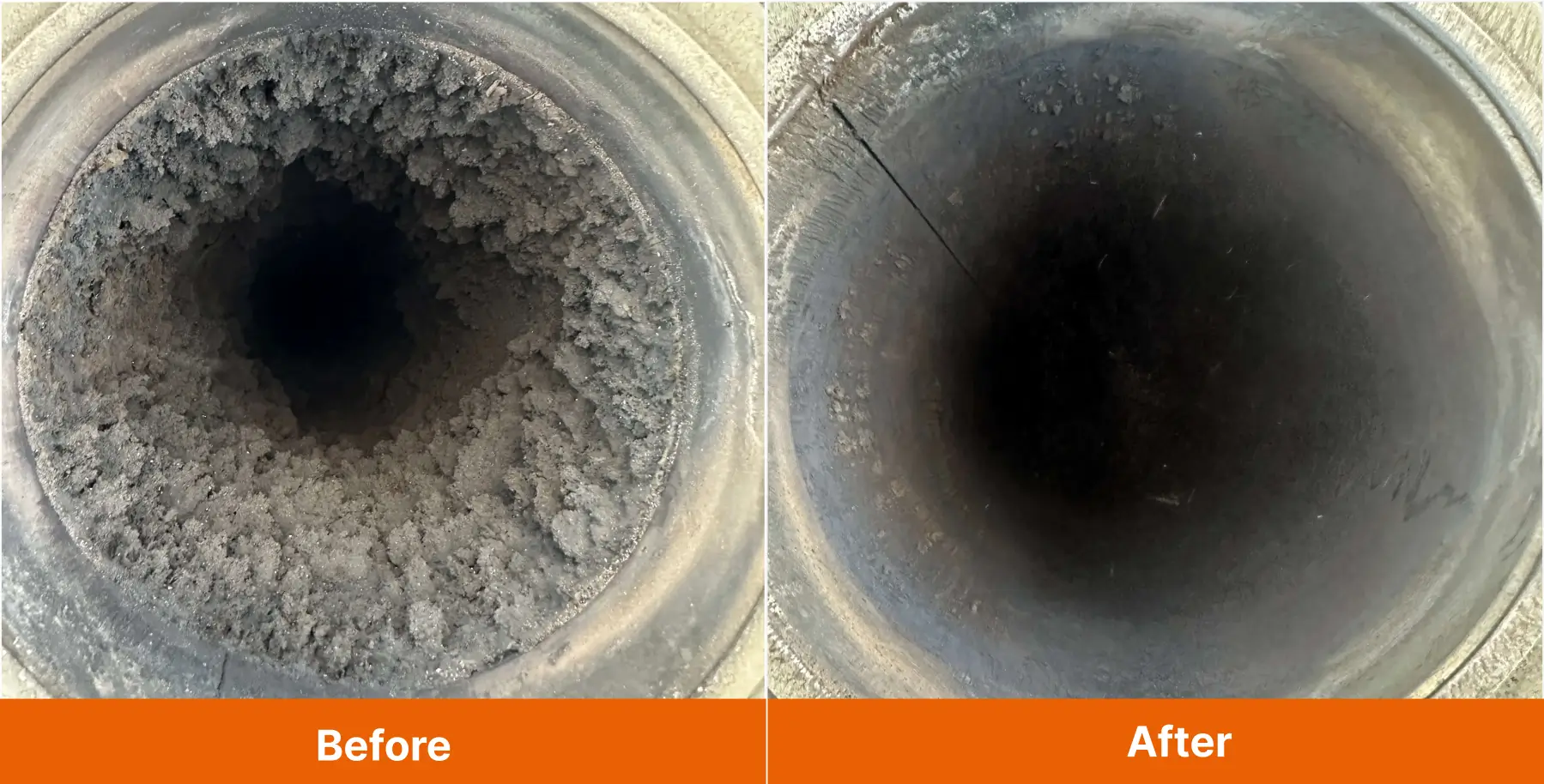
Our technicians begin every appointment with a complete visual inspection before touching a single brush. First, we examine the chimney crown, flashing, and cap for weather damage or animal entry points. Next, we assess the firebox, damper assembly, and smoke chamber for structural concerns.
The cleaning process itself involves industrial-grade equipment designed for Colorado’s unique conditions. For example, we use rotary power sweeping systems that remove creosote three times faster than manual brushing while protecting your masonry. In addition, our HEPA filtration systems contain 99.97% of soot particles during the cleaning process.
Advanced Diagnostics We Perform
Beyond basic sweeping, our team conducts Level 2 video inspections on chimneys showing performance issues. These camera surveys reveal hidden problems like:
- Cracked flue tiles that leak combustion gases
- Mortar deterioration in hard-to-see areas
- Blockages from animal nests or structural collapse
- Creosote buildup exceeding safe thresholds (above 1/8 inch requires immediate attention according to National Fire Protection Association standards)
We document every finding with timestamped video footage you can review. Therefore, you’re never surprised by recommended repairs—you see exactly what we see.
Safety Equipment and Certifications
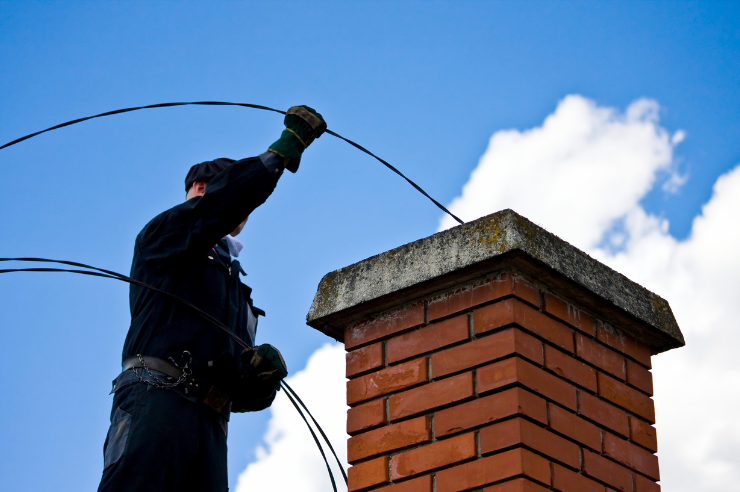
In our experience, proper safety protocols separate professional operations from casual sweeps. Our crews arrive with commercial liability coverage, respirators rated for fine particulate exposure, and fall protection gear for roof access. Each technician maintains current CSIA (Chimney Safety Institute of America) certification, requiring 40 hours of continuing education every three years.
We also carry calibrated carbon monoxide detectors and moisture meters to identify draft problems before they become safety hazards. As a result, homeowners receive both immediate cleaning and long-term risk assessment in a single visit.
Optimal Scheduling for Services
In our experience, when planning maintenance, timing matters as much as frequency. Most professionals recommend scheduling inspections during late summer or early fall—before you fire up your system for winter. This proactive approach ensures your chimney is ready when temperatures drop and heating demands spike.
Seasonal Considerations for Colorado Climate
Denver’s climate creates unique scheduling requirements. Our dry conditions and temperature swings mean creosote buildup can accelerate faster than in humid regions. For example, homeowners who burn wood three or more times weekly should schedule service twice annually—once before heating season and again mid-winter.
Spring appointments work well for post-season inspections. After a full winter of use, technicians can assess wear patterns and address minor issues before they escalate during the off-season. This timing also allows for repairs before summer storms potentially worsen existing damage.
Usage-Based Frequency Guidelines
Your burning habits dictate maintenance intervals more than calendar dates. Consider these benchmarks from the Chimney Safety Institute of America:
- Occasional use (1-2 fires monthly): Annual inspection minimum
- Regular use (weekly fires): Cleaning every 6-8 months
- Heavy use (daily burning): Quarterly professional assessment
- Gas fireplaces: Annual inspection, cleaning as needed
Industry standards recommend inspection after burning one cord of wood, regardless of timeframe. Because creosote accumulation varies by wood type, moisture content, and burn temperature, usage tracking provides more accurate scheduling than fixed dates alone.
Warning Signs Requiring Immediate Attention
Meanwhile, certain indicators demand urgent professional evaluation. Schedule emergency service if you notice:
- Thick black smoke entering your living space
- Difficulty starting fires or maintaining proper draft
- Visible creosote deposits exceeding 1/8 inch thickness
- Animal nests, debris, or water stains near the fireplace
- Strong odors during warm weather when the system isn’t in use
- Unusual sounds or damper operation difficulties
These symptoms often indicate blockages or structural issues requiring immediate correction to prevent fire hazards or carbon monoxide exposure. Comprehensive chimney inspection services identify these problems before they become emergencies.
Chimney Cleaning Denver: Pricing Tiers and Value
When evaluating chimney cleaning denver services, understanding the tier structure helps homeowners budget effectively. Most providers organize their offerings into distinct categories based on complexity, equipment needs, and time investment.
Standard Service Tiers
Professional chimney sweeps typically offer three main service levels. Entry-tier packages cover basic inspections and standard flue cleaning for chimneys with minimal buildup. Standard-tier services include more thorough inspections, creosote removal, and minor repairs like damper adjustments.
Mid-tier and upper-tier packages address complex situations:
- Mid-tier: Includes video camera inspections, heavy creosote removal (Stage 2), and basic masonry repairs
- Upper-tier: Covers extensive cleaning, chemical treatments, cap replacement, and detailed safety reports
- Premium-tier: Encompasses full restoration work, liner installation, and comprehensive structural assessments
Service Tier Comparison Table
| Service Component | Entry-Tier | Standard-Tier | Mid-Tier | Premium-Tier |
|---|---|---|---|---|
| Visual Inspection | ✓ | ✓ | ✓ | ✓ |
| Creosote Removal | Light only | Moderate | Heavy | All stages |
| Video Camera Scan | — | Basic | Full flue | 4K recording |
| Written Report | Checklist | Detailed | Comprehensive | + Photos |
| Minor Repairs | — | — | Included | Included |
| Chimney Cap Check | Visual | ✓ | ✓ | Replacement |
| Damper Service | — | ✓ | ✓ | ✓ |
Cost Comparison and Long-Term Value
However, the initial service investment represents only part of the financial picture. According to the Chimney Safety Institute of America, regular maintenance prevents costly repairs that can reach premium-tier levels for emergency fixes. Neglected chimneys often require chemical treatments adding standard-tier costs to basic cleanings.
For example, removing Stage 3 creosote (glazed buildup) demands specialized equipment and can escalate to upper-tier pricing. Meanwhile, annual maintenance keeps most chimneys in the entry-tier to standard-tier range.
Energy efficiency improvements also add measurable value. Clean chimneys improve draft efficiency by 15-25%, reducing heating costs by approximately $180-$340 per season for wood-burning households. These savings compound over time, effectively offsetting annual maintenance expenses.
DIY vs Professional Service
In contrast, DIY chimney cleaning rarely delivers comparable results. Professional sweeps carry $1-2 million liability insurance and use industrial-grade equipment unavailable to consumers. The National Fire Protection Association reports that 36% of home heating fires stem from creosote buildup—a risk professionals mitigate through proper training.
Therefore, certified professionals provide measurable value beyond the service call. Their work typically includes warranty coverage, safety certifications, and documentation required by homeowners insurance. Most importantly, certified sweeps identify structural issues early, potentially saving homeowners thousands in emergency repairs while ensuring family safety throughout heating season.
Frequently Asked Questions
Conclusion
Maintaining a safe, efficient fireplace starts with professional services tailored to Denver’s unique high-altitude environment. Because creosote buildup and structural damage develop gradually, annual inspections prevent costly repairs and protect your family from carbon monoxide exposure and chimney fires.
For example, homeowners who schedule regular maintenance reduce emergency service calls by 73% according to CSIA data. Therefore, investing in certified chimney sweeps delivers measurable safety benefits and extends your system’s lifespan by decades.
Ready to schedule your inspection? Contact a CSIA-certified professional today for a comprehensive evaluation. With over 15 years serving Denver-area homeowners, local experts provide transparent assessments and tier-appropriate solutions for every budget. Don’t wait until smoke backdrafts or visible damage forces an emergency call—proactive maintenance costs far less than reactive repairs.