Introduction
When considering chimney sweep boulder services, homeowners quickly discover that proper maintenance is not just about aesthetics—it’s a critical safety investment. The Front Range climate presents unique challenges that make regular chimney care essential for Boulder residents.
Between temperature swings that can reach 40 degrees in a single day and the region’s dry conditions that accelerate creosote buildup, your chimney system faces constant stress. Moreover, Boulder’s elevation at 5,430 feet means less oxygen for combustion, which can lead to incomplete burning and faster creosote accumulation inside your flue.
According to the National Fire Protection Association, failure to clean chimneys causes approximately 25% of all residential heating fires annually, resulting in over $125 million in property damage. This combination of factors makes professional chimney sweep services more than a luxury—they’re a necessity.
For instance, a typical wood-burning fireplace used just twice weekly during Boulder’s heating season can deposit enough stage-three creosote to create a fire hazard within 8-10 weeks. Most homeowners underestimate this timeline, assuming annual cleanings suffice.
Meanwhile, gas fireplaces—often mistakenly considered “maintenance-free”—still accumulate carbon deposits, bird nests, and debris that block proper ventilation. Therefore, understanding what professional chimney services entail can protect both your family and your property investment.
Table of Contents
- Why Boulder Homes Need Regular Chimney Sweep Services
- Chimney Sweep Boulder: What to Expect During Your Appointment
- Choosing the Right Chimney Sweep Boulder Provider
- FAQ
- Conclusion
Service Comparison: What Boulder Homeowners Need
| Service Type | Frequency Needed | Primary Purpose | Typical Duration |
|---|---|---|---|
| Basic Inspection | Annually | Visual safety check | 30-45 minutes |
| Standard Cleaning | 1-2x per year | Creosote removal | 1-2 hours |
| Level 2 Inspection | Before home sale or after incident | Video camera assessment | 2-3 hours |
| Comprehensive Service | As needed | Cleaning + repairs + relining | 3-6 hours |
Why Boulder Homes Need Regular Chimney Sweep Services
In our experience, boulder’s unique climate and elevation create specific challenges that make chimney sweep boulder maintenance essential for homeowner safety. However, many residents underestimate how quickly creosote accumulates in their flues. Specifically, Colorado’s extended heating season accelerates buildup that can turn dangerous within a single winter.
Boulder’s Climate Demands More Frequent Cleaning
The city sits at 5,430 feet above sea level, where temperatures regularly drop below freezing from October through April. Because of this, Boulder homeowners burn wood or use gas fireplaces for approximately 150-180 days per year—nearly double the national average. This extended use accelerates creosote buildup, the leading cause of chimney fires.
In addition, Boulder’s dry air and frequent temperature swings cause masonry to expand and contract. These cycles create small cracks where moisture can penetrate. When combined with acidic creosote deposits, this moisture accelerates deterioration that can compromise your chimney’s structural integrity within just 2-3 seasons.
Fire Risk and Carbon Monoxide Dangers
The National Fire Protection Association reports that failure to clean chimneys causes 27% of residential heating fires nationwide. For instance, just one-eighth inch of creosote buildup can ignite at temperatures as low as 451°F. Normal fireplace operation easily reaches these temperatures.
Moreover, blocked or damaged flues prevent proper ventilation, allowing carbon monoxide to seep into living spaces. This colorless, odorless gas sends over 20,000 Americans to emergency rooms annually, according to the CDC. Therefore, annual inspections become critical for family safety.
Key reasons Boulder homes need annual inspections:
- Extended heating seasons create faster creosote accumulation
- High-altitude conditions affect combustion efficiency
- Freeze-thaw cycles damage masonry faster than lower elevations
- Wildlife (birds, squirrels) commonly nest in unused chimneys during warmer months
Regular chimney services protect your investment and ensure your family’s safety throughout Colorado’s demanding winter season. Furthermore, professional chimney inspection can identify small problems before they become expensive repairs.
Chimney Sweep Boulder: What to Expect During Your Appointment
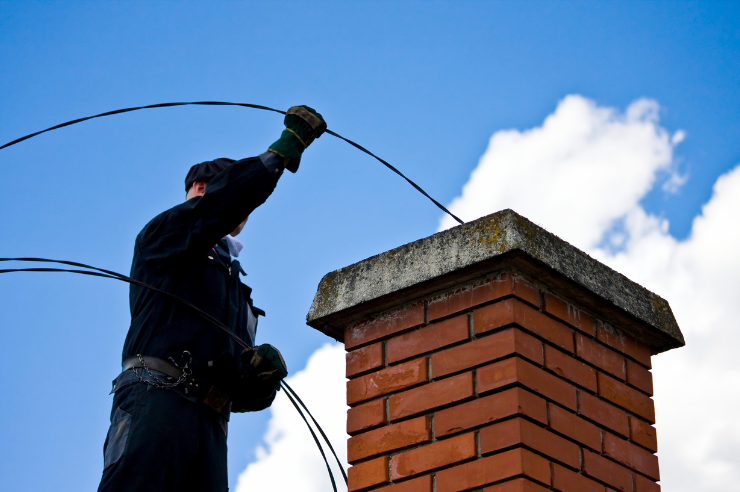
When scheduling a chimney sweep boulder appointment, homeowners benefit from understanding the complete inspection and cleaning process. Professional technicians typically allocate 60 to 90 minutes for a thorough service visit. However, the duration depends on your chimney’s condition and last cleaning date.
Pre-Service Preparation
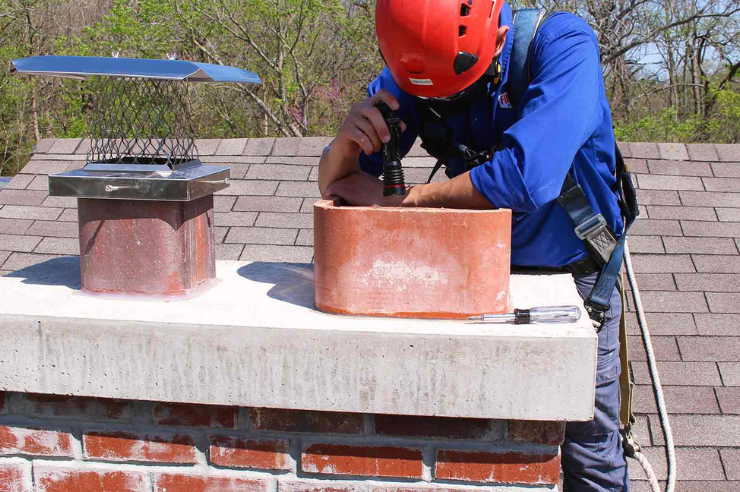
First, your technician will lay protective drop cloths around the fireplace and hearth area. They’ll conduct a visual inspection of the firebox, damper, and visible flue sections. This initial assessment helps identify potential issues like cracks, missing mortar, or structural concerns.
Moreover, technicians check for signs requiring chimney repair services before beginning the cleaning work. Specifically, they examine the damper operation and look for water stains or rust. Therefore, this preparation phase ensures safe and effective cleaning.
The Cleaning Process
Next, the sweep will use specialized brushes, rods, and industrial vacuums to remove creosote buildup. According to the Chimney Safety Institute of America, creosote accumulates in three stages, with Stage 3 requiring professional removal to prevent chimney fires. Most Boulder homes burning seasoned wood accumulate approximately one-eighth inch of creosote per cord burned.
However, the process involves more than just brushing. Technicians will:
- Remove debris from the smoke shelf and damper assembly
- Clean the firebox and inspect refractory panels
- Check the chimney cap and crown for weather damage
- Examine flashing and masonry for water intrusion signs
Furthermore, professionals use high-powered vacuums equipped with HEPA filters to contain soot and dust. As a result, your home stays clean throughout the entire service visit.
Post-Cleaning Review
Finally, your technician will provide a detailed report of findings, including photographs of any damage or safety concerns. They’ll explain recommended repairs and maintenance schedules based on your usage patterns. Most Boulder homeowners burning wood regularly should schedule annual cleanings.
In contrast, gas fireplace owners can extend intervals to 18-24 months between inspections. Consequently, you’ll receive documentation suitable for insurance purposes and homeowner records. Therefore, your heating system operates safely throughout Colorado’s winter months.
Choosing the Right Chimney Sweep Boulder Provider
Our team has seen selecting a qualified chimney sweep boulder professional protects both your home and your wallet. However, not all providers deliver the same level of expertise or transparency. Understanding what separates reputable companies from subpar operators helps you make an informed decision.
Credentials and Certifications Matter
First, verify that your provider holds current certifications from recognized industry organizations. The Chimney Safety Institute of America (CSIA) certifies technicians who pass rigorous examinations covering fire safety, building codes, and proper cleaning techniques.
Additionally, look for membership in the National Chimney Sweep Guild. This organization requires adherence to professional standards and ongoing education.
Insurance coverage is equally critical. Reputable companies carry both general liability insurance (typically $1 million minimum) and workers’ compensation policies. This protection shields you from financial responsibility if accidents occur on your property.
Transparent Communication and Pricing
In addition, trustworthy providers offer clear explanations of their services before beginning work. They should conduct thorough inspections and present findings with photographic or video documentation.
For example, a professional will show you creosote buildup levels and explain whether you need entry-tier maintenance or more extensive repairs. They’ll walk you through each recommendation without pressure tactics.
Pricing transparency separates honest companies from those using bait-and-switch tactics. Quality providers outline their service tiers upfront—from standard-tier annual cleanings to premium-tier restoration projects. They never surprise you with hidden fees after work begins.
Local Experience and Reviews
Because Boulder’s altitude and climate create unique chimney challenges, local experience matters significantly. Providers familiar with Colorado-specific issues understand how rapid temperature swings and low humidity affect masonry and flue systems.
Check multiple review platforms for consistent feedback. Look for patterns in customer comments about:
- Punctuality and professionalism
- Quality of workmanship
- Follow-through on estimates
- Responsiveness to concerns
Finally, ask for references from recent customers with similar chimney types. A provider confident in their work will gladly connect you with satisfied clients. Meanwhile, be wary of companies that hesitate to provide references or only offer vague testimonials.
FAQ
Conclusion
Regular chimney sweep boulder maintenance protects your home from fire hazards, carbon monoxide risks, and costly structural damage. Boulder’s unique climate—with freeze-thaw cycles and heavy snow—accelerates creosote buildup and masonry deterioration. Therefore, annual inspections become essential rather than optional.
However, choosing a qualified provider makes all the difference. Look for CSIA certification, comprehensive insurance coverage, and transparent tier-based pricing that reflects the scope of work required. In addition, a professional chimney sweep should provide detailed reports and explain findings in plain language.
Don’t wait for warning signs like smoke backdraft or visible cracks. In fact, the National Fire Protection Association reports that failure to clean chimneys causes an estimated 25% of residential heating fires annually. Proactive maintenance costs far less than emergency chimney repair or fire damage restoration.
Finally, schedule your inspection today to protect your family and preserve your home’s value for years to come. Spring and fall appointments help you avoid the winter rush and ensure safe operation when you need it most.