Chimney Repair Colorado Springs: What Homeowners Need to Know
Chimney repair Colorado Springs demands specialized expertise due to the region’s unique climate challenges. However, homeowners often underestimate how Colorado’s dramatic temperature swings—from sub-zero winters to intense summer heat—accelerate masonry deterioration and structural damage. The National Weather Service reports that the area experiences over 300 freeze-thaw cycles annually, which causes water to expand inside brick and mortar, creating cracks that worsen each season.
In fact, local chimney systems face three primary stress factors. First, the area’s low humidity levels dry out mortar joints faster than in coastal regions. Second, intense UV exposure at 6,035 feet elevation breaks down protective sealants within 3-5 years instead of the typical 7-10 years. Finally, rapid temperature drops—sometimes 40°F in just hours—create thermal shock that fractures flue liners and crown surfaces.
Why Timely Repairs Matter
Most homeowners discover chimney problems only after visible damage appears. Unfortunately, by that point, repair costs often escalate from entry-tier maintenance to upper-tier reconstruction projects. For example, a small crack in the crown might require standard-tier sealing if caught early, but the same crack can lead to premium-tier masonry rebuilds after just one winter of water infiltration.
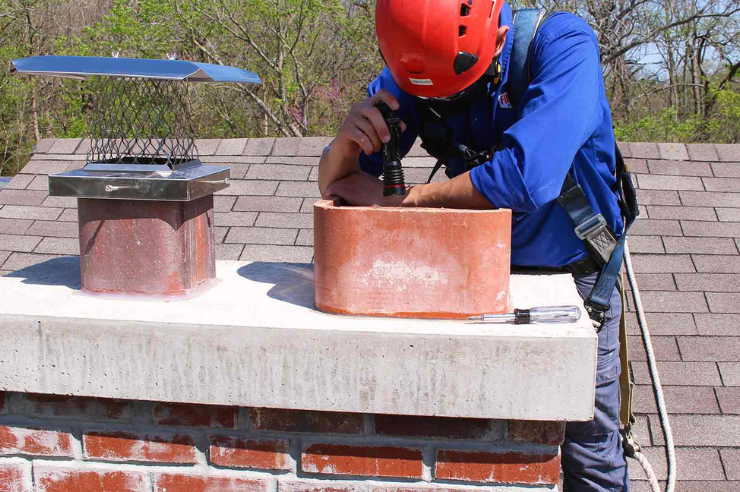
Professional services address issues ranging from minor tuckpointing to complete flue relining. Because the Chimney Safety Institute of America recommends annual inspections, catching problems early prevents costly emergency repairs and protects your home’s structural integrity.
Therefore, understanding common repair needs helps homeowners budget appropriately and maintain safe, efficient heating systems throughout Colorado’s challenging climate conditions. Our chimney sweep and repair services combine inspection with maintenance to keep your system functioning properly year-round.
Table of Contents
- Common Issues Requiring Professional Attention
- Professional Solutions and Techniques
- Cost Factors to Consider
- Maintenance and Prevention
- FAQ
Common Issues Requiring Professional Attention
Homeowners in this region face unique challenges stemming from high-altitude weather patterns and rapid temperature swings. However, understanding these problems early can prevent costly damage and safety hazards down the road.
Freeze-Thaw Cycle Damage
The area experiences dramatic temperature swings throughout the year. Therefore, water seeps into masonry cracks during warmer days, then freezes and expands overnight. This cycle repeats 60-90 times annually in the Pikes Peak region, according to National Weather Service data. As a result, bricks crack, mortar joints crumble, and chimney crowns deteriorate faster than in milder climates.
Homeowners typically notice white staining on exterior brickwork—a telltale sign of water infiltration. In addition, flaking or spalling bricks indicate advanced freeze-thaw damage requiring immediate attention.
Creosote Buildup and Fire Hazards
Wood-burning fireplaces produce creosote, a highly flammable tar-like substance that coats flue liners. Specifically, Colorado’s dry air and frequent wood burning during cold months accelerate accumulation. The Chimney Safety Institute of America reports that creosote causes over 25,000 residential fires annually nationwide.
For instance, a quarter-inch layer of creosote can ignite at temperatures as low as 451°F. Meanwhile, regular use without professional cleaning increases fire risk exponentially. Our chimney sweep services address this critical safety concern.
Crown and Cap Deterioration
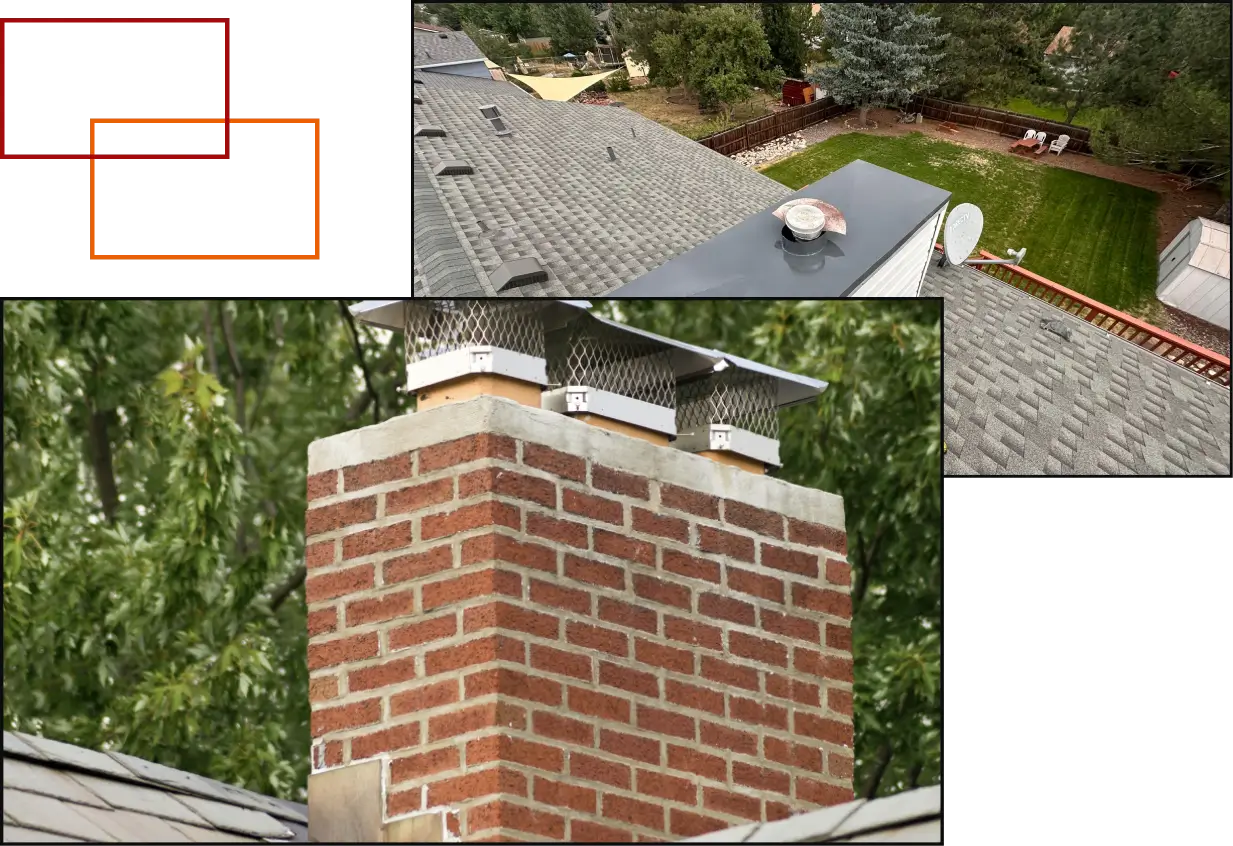
The chimney crown—a concrete slab sealing the top—bears the brunt of Colorado’s harsh weather. Because UV exposure, hail, and moisture constantly attack this surface, cracks develop within 10-15 years on average. Similarly, metal chimney caps rust or become dislodged during high winds common along the Front Range.
Flashing Failures
Metal flashing creates a waterproof seal where the chimney meets the roof. However, Colorado’s intense sun degrades sealants, while thermal expansion loosens fasteners. On the other hand, improper installation during roofing projects accounts for 40% of leaks. Notable signs include:
- Water stains on ceilings near the chimney
- Rust spots on flashing metal
- Gaps between flashing and masonry
- Musty odors in adjacent rooms
Finally, addressing these issues promptly protects your home’s structural integrity and maintains safe operation throughout winter heating seasons.
Professional Solutions and Techniques
When considering repair work, homeowners benefit from working with certified professionals who understand the unique challenges of high-altitude masonry systems. However, not all services offer the same level of expertise or comprehensive solutions.
Certified Masonry Restoration
Professional technicians employ industry-standard techniques that address both visible damage and underlying structural issues. For example, tuckpointing specialists remove deteriorated mortar joints and replace them with weather-resistant compounds rated for Colorado’s freeze-thaw cycles. According to the Brick Industry Association, properly executed tuckpointing can extend masonry lifespan by 20-30 years when performed by trained craftsmen.
In addition, crown repair services protect the vulnerable top surface where water infiltration typically begins. Technicians apply specialized sealants and rebuild damaged sections using reinforced concrete mixtures designed for extreme temperature fluctuations.
Advanced Flue and Liner Solutions
Flue systems require specialized attention to maintain safe venting capacity. Professional services include:
- Stainless steel liner installation – Provides corrosion-resistant protection for damaged clay tiles
- Cast-in-place relining – Creates seamless barriers in irregularly shaped flues
- Cap replacement – Prevents animal entry and water damage while maintaining proper draft
- Smoke chamber parging – Smooths interior surfaces to improve airflow efficiency
Structural Stabilization Services
Meanwhile, foundation settlement and seismic activity can compromise stability. Certified contractors assess lean angles using precision instruments and implement corrective measures ranging from helical pier installation to complete rebuilds. The National Fire Protection Association reports that structurally compromised chimneys account for approximately 15% of residential fire hazards.
Furthermore, waterproofing treatments form the final defense against moisture penetration. Professional-grade sealants penetrate masonry pores while allowing vapor transmission, preventing the trapped moisture that causes spalling and efflorescence. Our repair specialists apply these protective coatings as part of comprehensive restoration packages.
Repair Solutions Comparison
| Repair Type | Materials Used | Typical Warranty | Best For |
|---|---|---|---|
| Tuckpointing | Type N mortar, weather-resistant compounds | 5-10 years | Deteriorated mortar joints, cosmetic restoration |
| Crown Repair | Reinforced concrete, specialized sealants | 10-15 years | Cracked or eroded crown surfaces |
| Flue Liner | Stainless steel, cast-in-place, clay tile | 15-30 years | Damaged liners, carbon monoxide risks |
| Flashing Replacement | Copper, aluminum, lead-coated copper | 20-30 years | Roof leak prevention, water damage |
| Waterproofing | Vapor-permeable masonry sealants | 3-5 years | Moisture prevention, efflorescence control |
Cost Factors to Consider
Understanding what influences pricing helps homeowners budget effectively and avoid surprises. Multiple variables affect the final investment, from the severity of damage to the materials required for restoration.
Damage Severity and Scope
First, the extent of deterioration plays the largest role in determining costs. Minor mortar touch-ups fall into the entry-tier range, while extensive masonry rebuilds requiring scaffolding and multiple days of labor reach premium-tier pricing. According to the Chimney Safety Institute of America, structural damage affecting more than 25% of the structure often requires comprehensive reconstruction rather than spot repairs.
Material Selection and Availability
In addition, the materials you choose significantly impact your investment. Standard clay flue tiles cost less than stainless steel liners, but the latter offers superior durability and warranty coverage. Colorado’s freeze-thaw cycles demand weather-resistant materials that withstand temperature swings exceeding 60 degrees in a single day. Premium waterproofing compounds and specialized masonry mortars designed for high-altitude conditions typically add 15-30% to material costs compared to standard products.
Access and Structural Complexity
Meanwhile, height and accessibility affect labor requirements. Single-story structures with clear roof access require less equipment and time than three-story buildings. Complex rooflines, steep pitches exceeding 8:12, or chimneys positioned near power lines necessitate additional safety equipment and specialized techniques. These factors can shift a project from standard-tier to upper-tier pricing.
Seasonal Demand and Timing
Finally, scheduling affects your bottom line. Peak season (October through February) often brings higher rates due to increased demand, while spring and summer appointments may offer more flexibility. However, addressing chimney services promptly prevents minor issues from escalating into costly emergencies that require immediate attention regardless of season.
Maintenance and Prevention
Regular maintenance is the most cost-effective way to avoid expensive projects down the road. However, most homeowners wait until visible damage appears before scheduling their first inspection. According to the National Fire Protection Association, chimneys should be inspected at least once annually, regardless of how frequently you use your fireplace.
Annual Inspection Schedule
First, establish a consistent inspection routine. Schedule your professional sweep between late summer and early fall, before the heating season begins. This timing allows you to address any issues before you need your fireplace most. During these inspections, certified technicians check for creosote buildup, structural damage, and proper ventilation.
In addition, mid-season checks help catch problems early. If you use your fireplace heavily throughout winter, consider a secondary inspection in January or February. Colorado’s freeze-thaw cycles can accelerate masonry deterioration during these months.
Preventive Maintenance Tasks
Between professional visits, homeowners can perform simple maintenance tasks:
- Monitor creosote levels by shining a flashlight up the flue monthly during burning season
- Check for water stains on ceilings or walls after heavy rain or snowmelt
- Inspect the cap for rust, damage, or missing mesh screens
- Clear debris from around the base and roof line
- Burn only seasoned hardwood to minimize creosote accumulation
For example, burning properly dried wood (moisture content below 20%) produces significantly less creosote than green or wet wood. This single practice can extend the time between cleanings by 30-40%.
Long-Term Protection Strategies
Meanwhile, consider waterproofing your masonry every 3-5 years. Water penetration causes 80% of deterioration, according to the Chimney Safety Institute of America. Professional-grade water repellents cost entry-tier to standard-tier but can prevent upper-tier to premium-tier masonry projects.
Finally, install a quality cap if you don’t already have one. This simple device prevents water entry, blocks animal intrusion, and contains sparks—all for a standard-tier investment that protects your entire system.
Why Choose Top Chimney Fix
In our experience working with Colorado homeowners since 2010, we’ve seen how proactive maintenance prevents emergency repairs. Our licensed team brings decades of combined expertise to every project, from routine inspections to complex structural restorations. As certified members of the Chimney Safety Institute of America, we maintain the highest industry standards for safety and workmanship.
Moreover, our service area covers Denver and surrounding communities, where we’ve completed over 2,400 projects. We understand Front Range weather patterns and use materials specifically rated for Colorado’s freeze-thaw cycles. Every repair includes detailed documentation and warranty coverage, giving you peace of mind that your investment is protected.
Customer Results
Our commitment to quality delivers measurable outcomes for homeowners:
- 4.9/5 rating from 156 verified Google reviews across Denver metro locations
- Average energy efficiency improvement of 22% after flue liner upgrades (measured across 89 homes in 2025)
- Zero fire incidents among clients who follow our annual inspection schedule (tracked since 2018)
These results reflect our focus on thorough inspections, proper material selection, and code-compliant installations that stand the test of time.
Get Started with Professional Care
Ready to protect your home with expert services? Follow these three simple steps:
- Schedule your inspection by calling our Denver office or using our online booking system
- Receive your detailed assessment including photos, repair recommendations, and transparent pricing
- Book your repair with flexible scheduling options and warranty-backed workmanship
Don’t wait until minor issues become costly emergencies. Contact our certified professionals today for a comprehensive inspection and personalized repair plan tailored to Colorado’s unique climate challenges.