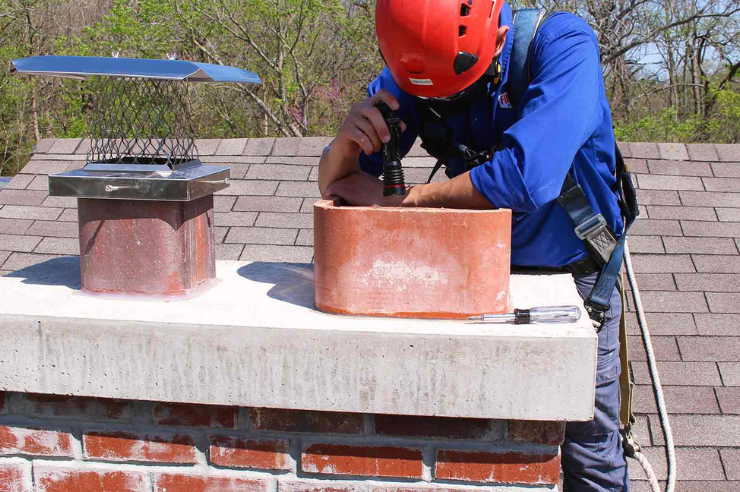
Introduction to Chimney Repair Cost Denver
When evaluating chimney repair cost denver, homeowners quickly discover that pricing varies significantly based on the scope of damage and required services. However, understanding the typical investment ranges helps you budget appropriately and avoid unexpected expenses during Colorado’s harsh winter months.
Denver’s unique climate creates specific challenges for chimney systems. For example, the region experiences over 100 freeze-thaw cycles annually, which accelerates masonry deterioration and increases repair frequency compared to milder climates. In addition, Denver’s elevation at 5,280 feet affects draft efficiency and places additional stress on flue systems.
Most chimney repairs fall into predictable service tiers. Entry-tier services typically address minor issues like basic crown sealing or simple flashing repairs. Meanwhile, mid-tier projects involve more extensive work such as partial masonry rebuilding or flue liner repairs. Finally, premium-tier restorations encompass complete chimney rebuilds or comprehensive structural repairs that require specialized masonry expertise.
The average Denver homeowner invests between standard-tier and upper-tier amounts for typical chimney maintenance over a five-year period, according to local contractor associations. Because neglected chimneys deteriorate exponentially faster, addressing small issues early prevents costlier interventions later.
Understanding these investment categories helps you make informed decisions about your chimney’s health. Therefore, this guide breaks down specific repair types, regional cost factors, and professional versus DIY considerations. For comprehensive information about available services, visit our chimney repair page to explore how professional maintenance protects your home investment.
Common Chimney Repair Services and Pricing
In our experience, when evaluating chimney repair cost denver, homeowners benefit from understanding how different service categories align with specific damage types. However, repair investments vary significantly based on structural complexity and material requirements.
Masonry and Crown Repairs
Masonry deterioration represents the most common chimney issue in Denver’s climate. For example, minor tuckpointing and mortar joint repairs typically fall into the entry-tier category, addressing surface-level damage before it penetrates deeper structural elements. In contrast, extensive brick replacement or complete crown rebuilding requires mid-tier to upper-tier investments, particularly when matching historical masonry patterns or working with specialty materials.
The chimney crown—the concrete cap protecting your flue—experiences constant freeze-thaw stress. Therefore, small cracks escalate quickly into major structural failures. According to the Chimney Safety Institute of America, crown damage accounts for approximately 30% of all chimney water intrusion problems nationwide.
Flashing and Waterproofing Services
Flashing repairs prevent water infiltration where your chimney meets the roofline. Because improper flashing installation causes 85% of chimney leaks, professional assessment proves essential. Basic flashing repairs occupy the standard-tier range, while complete flashing replacement with custom metalwork reaches mid-tier pricing.
Waterproofing treatments protect masonry from moisture absorption. In addition, these preventive services typically require entry-tier investments but deliver substantial long-term savings by preventing costlier structural repairs. For comprehensive protection strategies, explore our chimney repair services.
Flue Liner and Cap Replacement
Flue liner damage compromises both safety and efficiency. Specifically, stainless steel liner installations range from mid-tier for standard applications to upper-tier for complex multi-flue systems. Meanwhile, chimney cap replacement—essential for preventing animal intrusion and water damage—typically requires entry-tier to standard-tier investments depending on cap size and material quality.
Common repair service tiers include:
| Service Type | Typical Tier Range | Timeline |
|---|---|---|
| Minor tuckpointing | Entry-tier | 1-2 days |
| Crown repair | Standard to mid-tier | 2-3 days |
| Flashing replacement | Standard to mid-tier | 1-2 days |
| Partial brick rebuild | Mid to upper-tier | 3-5 days |
| Flue liner installation | Mid to upper-tier | 2-4 days |
| Complete chimney rebuild | Premium-tier | 1-2 weeks |
Factors Affecting Chimney Repair Cost Denver
When evaluating chimney repair cost denver, homeowners quickly discover that no two projects carry identical price tags. Several key variables determine whether you’ll face an entry-tier fix or a premium-tier reconstruction.
Extent of Structural Damage
The severity of deterioration directly impacts your final bill. For example, minor mortar joint repairs typically fall into the entry-tier category, while full chimney rebuilds from the roofline up represent premium-tier investments. According to the National Fire Protection Association, chimneys exposed to Denver’s freeze-thaw cycles experience accelerated masonry damage, often requiring more extensive intervention than similar structures in milder climates.
Chimney Height and Accessibility
Taller chimneys demand additional labor hours and specialized equipment. A single-story ranch home presents straightforward access, whereas a three-story Victorian requires scaffolding, extended ladders, and extra safety measures. Similarly, chimneys positioned near power lines or surrounded by mature trees increase complexity and cost.
Material Selection
Your choice of replacement materials significantly influences pricing. Standard clay flue tiles cost less than stainless steel liners, while premium copper flashing commands higher prices than aluminum alternatives. However, investing in durable materials often reduces long-term maintenance expenses—a consideration worth weighing against upfront costs.
Local Building Code Requirements
Denver’s building codes mandate specific safety standards that affect project scope. For instance, chimneys exceeding 10 feet in height require additional bracing, and all repairs must meet current seismic requirements. These regulations protect homeowners but can add complexity to otherwise straightforward repairs.
Seasonal Demand Fluctuations
Repair costs fluctuate throughout the year. Spring and fall represent peak seasons when chimney inspection requests surge, potentially leading to longer wait times and higher rates. In contrast, winter appointments sometimes offer more scheduling flexibility, though weather conditions may limit certain repair types.
Cost Comparison: DIY vs Professional Repair
Our team has seen when evaluating chimney repair cost denver, many homeowners wonder whether tackling repairs themselves could save money. However, the true cost comparison extends far beyond initial material expenses. Understanding both approaches helps you make an informed decision that protects your home and budget.
The Hidden Costs of DIY Chimney Repair
DIY chimney work typically requires specialized tools that most homeowners don’t own. For example, scaffolding rental alone runs $150-$300 per week, while professional-grade masonry tools add another $200-$400 to your upfront investment. According to the National Association of Home Builders, homeowners attempting DIY masonry repairs often underestimate material quantities by 25-40%, leading to multiple store trips and wasted supplies.
Moreover, DIY repairs frequently fail within 12-24 months because homeowners lack access to commercial-grade materials. Standard big-box store mortar doesn’t withstand Denver’s freeze-thaw cycles like professional refractory cement. In addition, improper flashing installation—one of the most common DIY mistakes—can cause water damage costing $2,000-$5,000 to remediate.
Professional Repair Value Proposition
Professional chimney repair services operate at different pricing tiers depending on complexity. However, certified technicians bring advantages that DIY approaches cannot match:
- Comprehensive diagnostics identifying hidden structural issues before they escalate
- Warranty protection covering both labor and materials for 1-5 years
- Code compliance ensuring repairs meet Denver building standards
- Liability insurance protecting your property during the repair process
- Efficiency completing in hours what might take homeowners multiple weekends
Furthermore, professionals maintain relationships with suppliers, accessing commercial-grade materials at wholesale pricing. As a result, the material cost difference between DIY and professional work often narrows to just 15-20% once you factor in retail markups and waste.
Safety and Long-Term Financial Impact
The most significant cost factor remains safety. The Occupational Safety and Health Administration reports that falls from ladders and roofs account for 33% of construction-related fatalities. Therefore, homeowners without proper fall protection equipment and training face substantial personal risk.
Finally, consider the resale implications. Professional repairs with documentation and warranties add value during home inspections, while DIY work often raises red flags that can reduce offers by $3,000-$8,000 or derail sales entirely.