When searching for a chimney sweep boulder service, homeowners face a critical decision that directly impacts both safety and property value. Boulder’s unique climate—with over 300 days of sunshine annually yet winter temperatures regularly dropping below freezing—creates specific challenges for chimney systems that demand professional attention.
However, the stakes extend far beyond seasonal comfort. According to the National Fire Protection Association, failure to clean chimneys contributes to approximately 25,000 residential fires each year across the United States, resulting in over $125 million in property damage. In Boulder County specifically, where wood-burning fireplaces and stoves remain popular heating alternatives, regular maintenance becomes even more essential.
Professional chimney maintenance protects your investment in multiple ways:
- Prevents dangerous creosote buildup that can ignite at temperatures above 451°F
- Identifies structural damage before it escalates into costly repairs
- Maintains optimal draft efficiency, reducing heating costs by up to 15%
- Ensures compliance with Boulder County building codes and insurance requirements
For instance, a properly maintained chimney system can last 50-100 years, while neglected systems often require major reconstruction within 20-30 years. This guide examines what Boulder homeowners should expect from professional services, including service standards, inspection protocols, and how to evaluate providers based on credentials rather than price alone.
Why Boulder Homes Need Regular Chimney Sweeping
Boulder’s unique climate makes chimney sweep Boulder services essential for home safety. The city experiences over 300 days of sunshine annually. However, winter temperatures frequently drop below freezing. This cycle accelerates chimney deterioration through constant expansion and contraction.
Altitude and Creosote Buildup
Because Boulder sits at 5,430 feet elevation, wood burns differently than at sea level. The reduced oxygen causes incomplete combustion. As a result, fires produce 15-20% more creosote than burning at lower altitudes.
This sticky, flammable residue accumulates faster on chimney walls. In fact, the National Fire Protection Association reports that failure to clean chimneys causes approximately 25,000 residential fires annually nationwide. These incidents result in over $125 million in property damage.
Seasonal Temperature Swings
Boulder’s dramatic temperature fluctuations create additional challenges. For example, temperatures sometimes swing 40 degrees in a single day. This stress creates cracks in mortar joints and flue liners.
Meanwhile, moisture from snow and rain seeps into these cracks. It freezes and widens the damage. According to the U.S. Department of Energy, water penetration represents the leading cause of chimney deterioration in high-altitude regions.
Wildlife and Debris Concerns
In addition to weather-related issues, Boulder’s proximity to open space attracts wildlife to chimneys. Birds, squirrels, and raccoons build nests during warmer months. These blockages restrict airflow and create dangerous carbon monoxide risks.
Professional chimney inspection services identify these hazards before they become emergencies. Regular maintenance protects both property and family health.
Professional Chimney Sweep Services in Boulder
When searching for chimney sweep boulder providers, homeowners discover a range of specialized services designed to maintain safe, efficient heating systems. However, not all chimney companies offer the same level of expertise or comprehensive care.
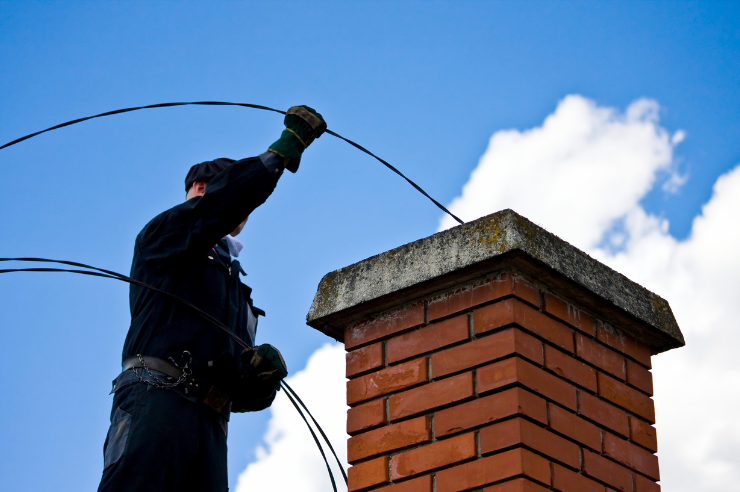
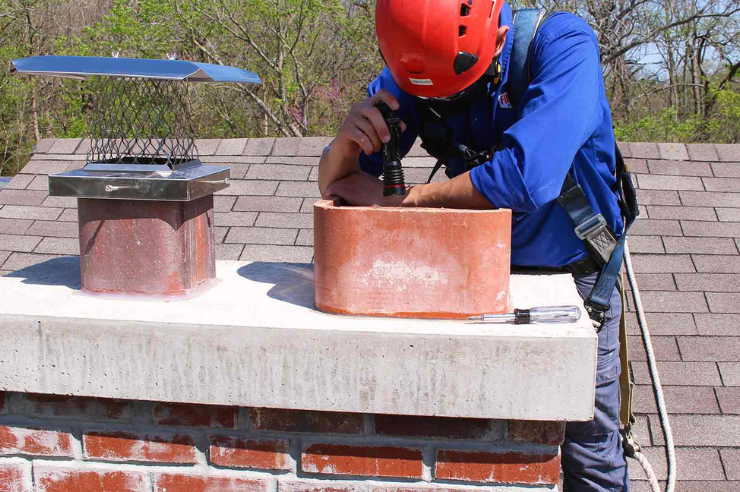
Professional sweeps in Boulder typically provide several core services. First, they perform thorough cleaning using specialized brushes and vacuum systems that capture 99% of soot and debris. Next, they conduct visual inspections to identify structural issues, creosote buildup levels, and potential hazards. In addition, many companies offer video camera inspections that reveal hidden damage in flue liners or masonry joints.
What Professional Services Include
A complete service package typically encompasses:
- Creosote removal from all accessible flue surfaces (Level 1, 2, or 3 deposits)
- Debris extraction including animal nests, leaves, and blockages
- Smoke chamber cleaning to eliminate concentrated tar buildup
- Damper inspection and lubrication for proper operation
- Cap and crown assessment to prevent water intrusion
- Written safety reports documenting findings and recommendations
According to the Chimney Safety Institute of America, certified sweeps complete at least 80 hours of training and pass comprehensive examinations covering building codes, fire science, and masonry repair. Therefore, choosing a CSIA-certified professional ensures adherence to NFPA 211 standards, which mandate annual inspections for all solid-fuel burning appliances.
What to Expect During Your Appointment
Most appointments last 60-90 minutes depending on chimney height and condition. Before technicians arrive, homeowners should clear furniture within six feet of the fireplace and remove decorative items from the mantel. Meanwhile, professionals lay protective drop cloths and use industrial vacuums to contain dust. As a result, modern equipment prevents mess while ensuring thorough cleaning. For more complex issues requiring structural work, explore our chimney repair services.
Most Boulder providers offer service tiers ranging from entry-tier basic cleanings to premium-tier packages that include minor repairs and multi-year maintenance plans. Consequently, homeowners can select coverage matching their chimney’s age, usage frequency, and condition.
Chimney Inspection and Safety Standards
Professional chimney sweep Boulder services follow strict inspection protocols established by the National Fire Protection Association (NFPA) and the Chimney Safety Institute of America (CSIA). However, understanding these standards helps homeowners recognize quality service and maintain safe heating systems throughout Colorado’s cold seasons.
NFPA 211 Compliance Requirements
The NFPA 211 standard mandates annual chimney inspections for all solid-fuel burning appliances. In addition, this regulation divides inspections into three distinct levels based on system condition and usage patterns.
Level 1 inspections examine readily accessible portions of the chimney structure. These basic assessments verify proper clearances, check for creosote buildup, and confirm structural soundness. Most annual maintenance falls into this category.
Level 2 inspections become necessary after significant events:
- Real estate transactions or property transfers
- Changes to the heating system or fuel type
- External events like chimney fires or earthquakes
- Additions or renovations affecting the chimney structure
These comprehensive evaluations include video scanning of internal flue passages, attic inspections, and crawl space examinations. According to CSIA data, approximately 15,000 residential fires annually stem from creosote ignition in unmaintained chimneys.
Boulder County Code Considerations
Boulder County requires carbon monoxide detectors within 15 feet of all sleeping areas when fuel-burning appliances operate. Furthermore, local building codes mandate specific clearances between combustible materials and chimney structures—typically 2 inches for masonry chimneys and up to 18 inches for factory-built systems.
Professional technicians carry liability insurance coverage of at least $1 million and maintain current CSIA certifications. Therefore, always verify credentials before scheduling service to ensure compliance with both safety standards and local regulations.
Critical Safety Benchmarks
Inspectors measure specific hazard indicators during assessments. Specifically, creosote buildup exceeding 1/8 inch thickness requires immediate removal, as this volume provides sufficient fuel for chimney fires reaching temperatures above 2,000°F.
Meanwhile, flue liners with cracks wider than 1/16 inch fail safety standards because combustion gases can penetrate surrounding structures. Our team has observed that Boulder’s freeze-thaw cycles create unique masonry challenges.
As a result, we pay special attention to crown deterioration, spalling bricks, and mortar joint separation—all accelerated by our 300+ days of sunshine followed by rapid temperature drops.
Chimney Sweep Boulder Cost Factors and Service Comparison
When evaluating chimney sweep boulder services, homeowners typically encounter pricing across several tiers depending on complexity and scope. Standard chimney cleaning for a straightforward single-flue system generally falls into the standard-tier range, while more involved inspections or multi-flue properties may reach mid-tier or upper-tier levels.
Several key factors influence where your service falls within these tiers:
- Chimney height and accessibility – Two-story homes require additional equipment and safety measures
- Flue condition – Heavy creosote buildup (Stage 2 or 3) demands specialized removal techniques
- Number of flues – Properties with multiple fireplaces increase service time proportionally
- Inspection level – Basic visual inspections differ significantly from Level 2 video scans required for real estate transactions
- Seasonal timing – Off-season scheduling (April through August) often provides better availability
However, the most significant cost driver remains the type of service required. For instance, a routine annual cleaning with basic inspection typically stays in the standard-tier category.
In contrast, comprehensive Level 2 inspections mandated by the National Fire Protection Association (NFPA) for property sales or after chimney fires often reach mid-tier pricing due to the specialized video equipment involved.
Comparing Service Packages
Comparing service packages helps homeowners make informed decisions. Entry-tier services usually cover basic sweeping without detailed inspection reports, while premium-tier packages include thermal imaging, detailed documentation, and minor repairs.
According to the Chimney Safety Institute of America, homeowners should prioritize certified professionals regardless of tier, as proper training prevents the estimated 25,000 annual chimney fires nationwide.
Therefore, when selecting a provider, focus on certification credentials (CSIA or NCSG) and comprehensive service descriptions rather than price alone. Most reputable companies offer transparent tier-based pricing that reflects the actual work scope.
Key Questions to Ask Before Booking
- Does the estimate include both inspection and cleaning?
- What certifications does the technician hold (CSIA, NFI)?
- Are repairs quoted separately or bundled?
- Does the company carry liability insurance exceeding $1 million?
Because Boulder’s freeze-thaw cycles accelerate masonry deterioration, choosing providers who identify structural issues during routine maintenance prevents costly emergency repairs down the line.
| Service Component | Entry-Tier | Standard-Tier | Premium-Tier |
|---|---|---|---|
| Basic Flue Cleaning | ✓ | ✓ | ✓ |
| Level 1 Visual Inspection | ✓ | ✓ | ✓ |
| Level 2 Video Scan | — | ✓ | ✓ |
| Chimney Cap Check | ✓ | ✓ | ✓ |
| Minor Repairs Included | — | — | ✓ |
| Masonry Assessment | — | ✓ | ✓ |
| Waterproofing | — | — | ✓ |
FAQ and Conclusion
Conclusion
Maintaining a safe chimney system requires professional expertise tailored to Boulder’s climate challenges. Regular inspections protect your home from heating fires while preserving property value.
By understanding service tiers, certification standards, and maintenance schedules, Boulder homeowners can make informed decisions. Schedule your annual inspection before winter begins and verify your technician’s credentials.