When considering creosote chimney cleaning Denver, homeowners face a critical safety decision that directly impacts their family’s well-being. Creosote, a highly flammable byproduct of wood combustion, accumulates inside chimneys at alarming rates during Colorado’s extended heating season. According to the National Fire Protection Association, failure to remove creosote causes approximately 25,000 chimney fires annually across the United States, resulting in over $125 million in property damage.
However, understanding when and how to address creosote buildup remains confusing for many Denver-area residents. The substance progresses through three distinct stages, each presenting escalating fire risks and requiring different removal approaches. First-stage creosote appears as flaky soot, while third-stage creosote forms a dense, tar-like coating that standard chimney sweep methods cannot remove.
Professional services employ specialized tools and techniques unavailable to homeowners. In addition, certified technicians can identify hidden dangers that accompany creosote accumulation, including structural damage, draft problems, and carbon monoxide risks. This comprehensive guide examines:
Understanding Creosote Buildup Risks
When considering creosote chimney cleaning denver, homeowners must understand that this black, tar-like substance poses serious fire hazards. Creosote forms when wood smoke condenses inside your chimney flue, creating a highly flammable coating that accumulates with every fire you burn.
However, the danger extends beyond fire risk alone. According to the Chimney Safety Institute of America, creosote buildup is responsible for approximately 25,000 residential fires annually in the United States, causing over $125 million in property damage. These statistics highlight why regular professional attention matters for your home’s safety.
Why Creosote Forms in Denver Chimneys
Because Denver’s climate encourages extended heating seasons, local chimneys experience accelerated creosote accumulation. Cold exterior temperatures combined with warm interior air create ideal condensation conditions inside your flue. Additionally, burning unseasoned wood or restricting airflow to extend burn times significantly increases creosote deposits.
Common factors that accelerate buildup include:
- Burning wood with moisture content above 20%
- Operating your fireplace with insufficient air supply
- Using lower flue temperatures (below 250°F)
- Burning softwoods like pine instead of hardwoods
- Oversized chimneys that cool smoke too quickly
Health and Structural Consequences
In addition to fire risks, creosote releases toxic fumes containing carbon monoxide and other carcinogens. Meanwhile, acidic compounds in creosote corrode metal chimney components and deteriorate masonry, leading to expensive chimney repair needs. Professional creosote chimney cleaning denver services prevent these compounding problems before they compromise your home’s structural integrity.
Professional Creosote Chimney Cleaning Denver Process
When scheduling professional services, homeowners can expect a systematic approach that addresses every stage of buildup. Certified technicians follow industry protocols established by the Chimney Safety Institute of America to ensure thorough removal and safety compliance.
Initial Inspection and Assessment
First, technicians conduct a comprehensive visual inspection using specialized cameras and lighting equipment. This assessment identifies the creosote stage present, structural damage, and potential hazards. According to the National Fire Protection Association, approximately 25% of chimney fires occur in systems with heavy creosote accumulation exceeding 1/8 inch thickness.
The inspection process typically includes:
- Flue interior examination using video scanning technology
- Creosote stage classification (first, second, or third degree)
- Structural integrity evaluation of mortar joints and flue tiles
- Draft and airflow measurements to identify ventilation issues
Professional Cleaning Techniques
However, the actual cleaning method varies based on creosote type. For example, stage one deposits respond well to rotary brush systems, while stage three glazed creosote requires chemical treatments or mechanical removal tools. Our team protects your home by sealing the fireplace opening with industrial drop cloths and using HEPA-filtered vacuums that capture 99.97% of particulates.
Post-Cleaning Verification
Finally, professionals perform a second camera inspection to verify complete removal. This documentation provides homeowners with visual proof of service completion and identifies any chimney repair needs discovered during the process. Most mid-tier to upper-tier cleaning services include a detailed written report with before-and-after imagery and maintenance recommendations for the upcoming heating season.
Stages of Creosote Accumulation
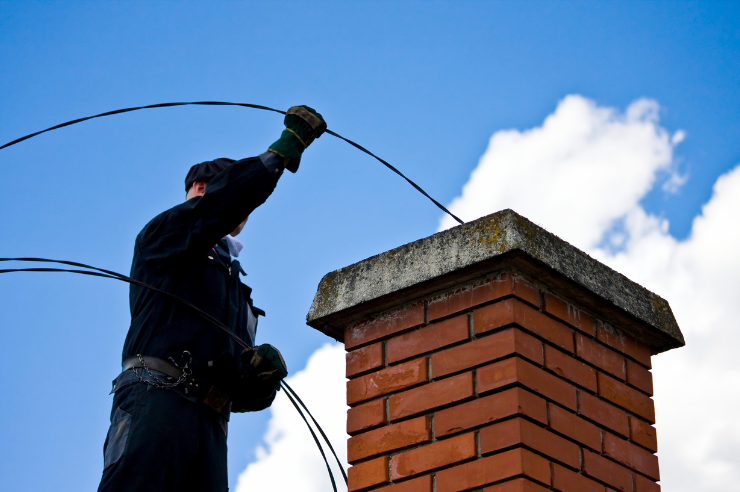
Creosote buildup progresses through three distinct stages, each presenting increasing fire hazards and requiring different intervention levels. Understanding these stages helps homeowners recognize when services become essential rather than optional.
Stage 1: Flaky and Loose Deposits
First, Stage 1 creosote appears as a flaky, sooty substance that brushes away relatively easily during routine maintenance. This fine powder forms when combustion gases cool rapidly in the flue. However, even this seemingly harmless layer reduces draft efficiency by approximately 15-20% and can ignite at temperatures around 451°F. Regular chimney sweep services typically remove Stage 1 deposits during standard cleanings.
Stage 2: Tar-Like Glazing
In contrast, Stage 2 creosote transforms into a tar-like, shiny black coating that adheres firmly to chimney walls. This stage develops when wood burns at lower temperatures or when moisture mixes with Stage 1 deposits. Key characteristics include:
- Harder texture requiring specialized brushes and chemical treatments
- Reduced flue diameter by up to 30%, restricting airflow
- Ignition temperature dropping to 400°F
- Increased removal difficulty often requiring multiple treatment sessions
Stage 3: Hardened Glaze
Finally, Stage 3 represents the most dangerous accumulation level. This concentrated fuel resembles hardened tar or coal and often requires specialists with advanced equipment. According to the National Fire Protection Association, Stage 3 creosote contributes to over 25,000 residential fires annually. Standard brushing cannot remove this glaze—professionals must use rotary cleaning systems or chemical removers, sometimes necessitating chimney repair if the buildup has damaged the flue liner.
Because each stage builds upon the previous one, scheduling preventive maintenance before reaching Stage 2 saves both money and safety concerns.
When to Schedule Cleaning Services
For example, most Denver homeowners should schedule services at least once annually, typically before the heating season begins in late September or early October. However, your specific cleaning frequency depends on several factors that directly impact creosote accumulation rates.
Frequency Based on Usage Patterns
Heavy wood burners face different maintenance requirements than occasional users. Specifically, if you burn wood more than three times per week during winter months, you’ll need more frequent inspections:
- Daily users: Schedule professional cleaning every 40-50 fires or mid-season
- Weekend burners: Annual cleaning before heating season typically suffices
- Occasional use (less than 20 fires/year): Biennial cleaning may be adequate, though annual inspections remain essential
The National Fire Protection Association (NFPA) Standard 211 recommends inspection whenever soot accumulation exceeds 1/8 inch thickness, regardless of time elapsed since last cleaning.
Optimal Scheduling Windows
Because demand for chimney sweep services peaks in autumn, smart homeowners book appointments during these strategic windows:
- Late summer (August-early September): Best availability and competitive pricing
- Spring (April-May): Post-season assessment identifies damage before summer repairs
- Mid-winter: Only if you notice performance issues or smell creosote odors
Warning Signs Requiring Immediate Service
Meanwhile, certain conditions demand urgent attention regardless of your regular schedule. Therefore, contact professionals immediately if you observe:
- Visible flaky or tar-like deposits inside the firebox
- Reduced draft or smoke backing into your home
- Strong, acrid odors even when the fireplace isn’t in use
- Pieces of creosote falling into the firebox
In fact, glazed Stage 3 creosote requires specialized removal techniques that standard chimney inspection services can identify before the hazard escalates.
Creosote vs Regular Chimney Maintenance
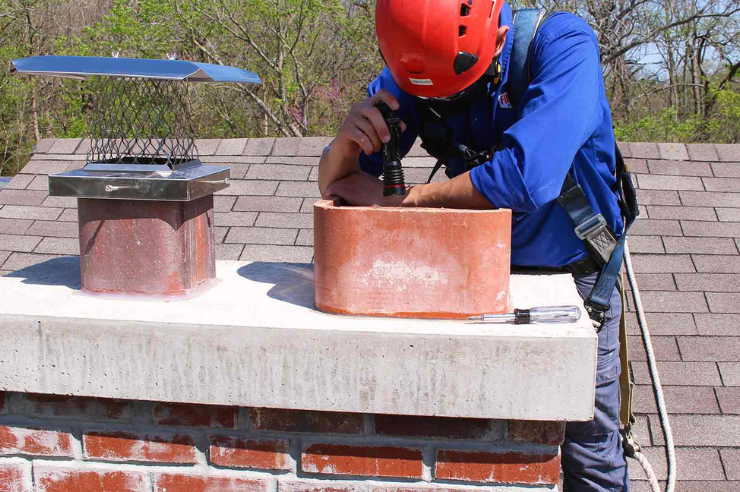
Homeowners often confuse specialized services with standard maintenance, but these address different needs. Regular chimney maintenance includes visual inspections, cap checks, and minor debris removal. In contrast, creosote-focused cleaning targets the hazardous tar-like deposits that accumulate from wood combustion.
Key Differences in Service Scope
Standard maintenance typically occurs annually and focuses on preventive care. However, creosote removal requires specialized tools and techniques that go beyond basic sweeping. According to the National Fire Protection Association, chimneys should be inspected annually, but creosote removal frequency depends on usage patterns and fuel type.
| Service Type | Frequency | Tools Required | Typical Cost Tier |
|---|---|---|---|
| Standard Maintenance | Annual | Basic brushes, vacuum | Entry-tier to standard-tier |
| Stage 1 Removal | 1-2x/year | Rotary brushes, HEPA vacuum | Standard-tier |
| Stage 2 Removal | As needed | Chemical treatments, power tools | Mid-tier to upper-tier |
| Stage 3 Removal | Emergency | Specialized equipment, multiple visits | Upper-tier to premium-tier |
Standard maintenance includes:
- Visual flue inspection
- Cap and crown examination
- Minor debris removal
- Damper functionality checks
Creosote-specific services involve:
- Chemical treatment applications
- Rotary cleaning systems
- Stage 3 glazed creosote removal
- Thermal imaging assessments
When Each Service Makes Sense
For example, homeowners burning seasoned hardwood 2-3 times weekly may only need standard-tier annual cleaning. Meanwhile, those using softwoods or burning daily often require mid-tier creosote removal services twice per season. The distinction matters because standard sweeping cannot effectively remove Stage 2 or Stage 3 creosote buildup.
Additionally, comprehensive chimney inspection services can identify which type of maintenance your system requires. A certified technician assesses creosote thickness, distribution patterns, and glazing levels to recommend the appropriate service level.
Therefore, understanding these differences helps you schedule the right service at the right time. Regular maintenance prevents minor issues, while specialized cleaning addresses fire hazards that standard sweeping cannot resolve.
FAQ
Conclusion
In conclusion, professional services protect your home and family from preventable fire hazards. The three stages of creosote buildup progress from manageable to dangerous, making annual inspections essential for all wood-burning systems. By understanding the warning signs and scheduling timely maintenance, you invest in both safety and peace of mind throughout Colorado’s heating season. Our team recommends booking your inspection in late summer to ensure your chimney operates safely when temperatures drop.