Chimneys are more at risk from fire and structural damage in winter, and chimney safety experts say it’s during this season when almost 40% of chimney accidents happen. While the chill starts in December, it’s February that packs the hardest blow, and this is when chimney repairin Denver, CO, locals need done the most. Let’s touch on the contributing factors that make February, the last month of winter, the possible tipping point.
1. Intense Freeze–Thaw Cycles
Daytime heat in Mile High City can go as high as 50 degrees and then drop to zero by twilight. This continuous cycle allows melted snow into tiny cracks of the chimney, only to freeze again overnight. It reduces the stability of one’s smokestack by splitting the mortar that binds it and tilting the structure. Masons will tell you that more chimneys have been destroyed by this freeze-thaw rotation than by snowstorms.
2. Ice Buildup Around Chimney Caps and Crowns
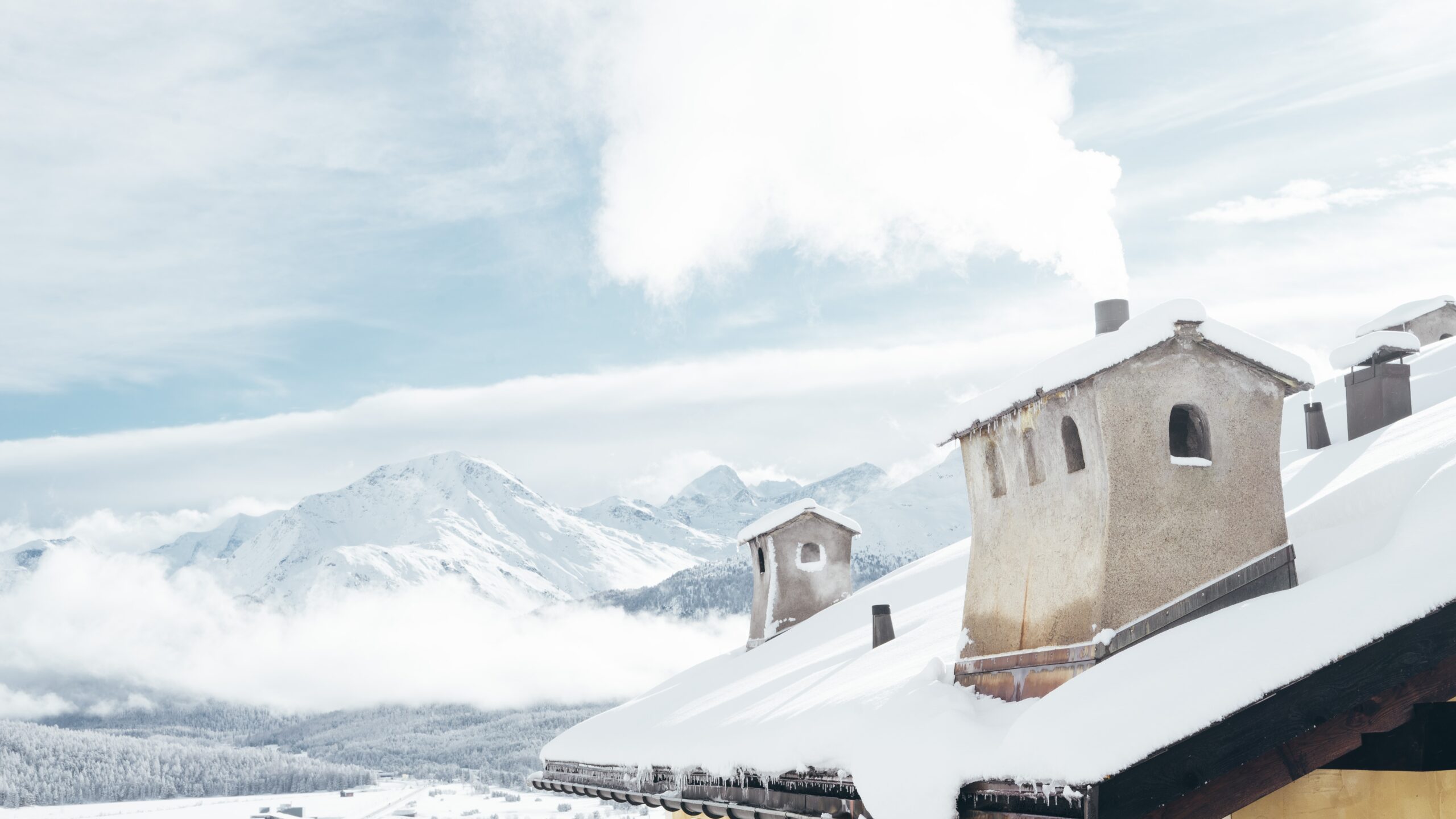
Chimney caps or crowns are covered in thick ice this month due to the melting of snow and its refreezing. That water turns into sheets of ice come nightfall, blocks the flue, and prevents toxic gases from escaping. This is a recipe for disaster as it forces carbon monoxide to stay in the house. The blockage also contributes to creosote buildup, which can lead to a chimney fire. These dangers become more likely in February.
3. Spalling and Surface Flaking
The overwhelming effects of the freeze-thaw cycle can result in all types of masonry repair that Denver, CO, builders are usually called for. Surface Flaking and spalling are two manifestations of the same problem. The former is the warning shot, where you’ll see potato chip-like layers peeling off the brick or mortar. The latter is when large chunks of the brick’s front break off. Surface Flaking is merely cosmetic, while spalling is structural damage.
4. Worn Mortar Joints Absorbing Moisture
Mortar joints that have already been compromised by years of Colorado sun are easy targets of the final winter month. If they survived December and January, chances are these cracked and already porous mortar joints will soak up melting snow in the afternoon and get shattered from the inside out when the temperature dips at sunset. Masons say the amount of mortar sand at the chimney base is a clear sign it’s February.
5. Late-Winter Storms
The last blow of snowstorms in the third month of winter could be what requires you to call for help. The cap or crown of your chimney might be completely wrapped in ice. The mortar keeping the chimney together may be waterlogged. The brickwork might be chipping off or breaking apart, and that’s a cause for concern as the bricks won’t be able to support their weight. All these could be February’s last harmful hurrah.
February-Proof Your Chimney
Denver chimneys don’t fail overnight. A little maintenance before winter can make a world of difference. If you let that late fall upkeep pass, your cozy winter might just be rudely interrupted by February disaster. The same goes for that minor chimney repair in Denver, CO, that builders can do in case of an emergency. Don’t wait. Get in touch with Top Chimney Fix immediately. Call 720-642-8626.