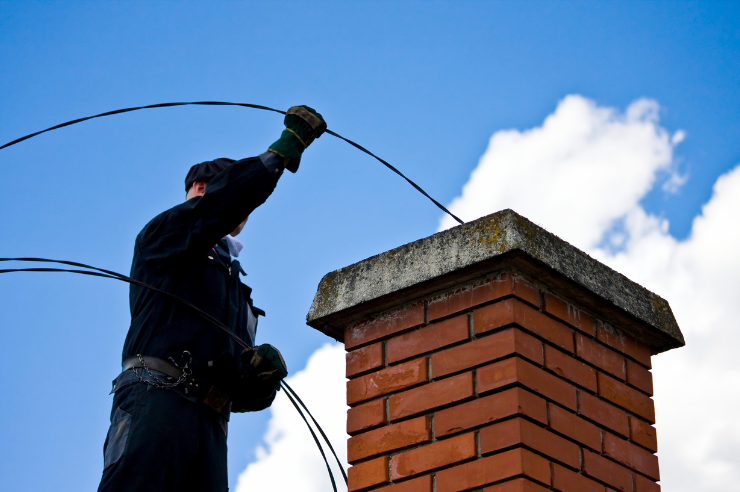
Wood stove maintenance denver requires consistent attention to keep your heating system safe and efficient throughout Colorado’s harsh winters. However, many homeowners underestimate the critical role that regular upkeep plays in preventing dangerous chimney fires and carbon monoxide hazards. According to the National Fire Protection Association, heating equipment is the second leading cause of home fires in the United States, with wood stoves accounting for a significant portion of these incidents.
Denver’s unique climate presents specific challenges for wood stove owners. Because our high altitude and dry conditions accelerate creosote buildup, local systems require more frequent attention than those in other regions. The U.S. Environmental Protection Agency recommends annual inspections at minimum, but Denver homeowners often benefit from mid-season checkups as well.
Essential Seasonal Wood Stove Maintenance Tasks
When planning seasonal upkeep, homeowners should follow a structured schedule to ensure safe, efficient operation throughout the year. However, many property owners overlook critical tasks that prevent costly repairs and dangerous conditions. A well-maintained wood stove operates 30-40% more efficiently than a neglected unit, according to the U.S. Department of Energy.
Spring and Summer Preparation
After the heating season ends, schedule a thorough inspection and cleaning. First, remove all ash and debris from the firebox and ash pan. Next, inspect the door gasket for wear—a damaged gasket reduces efficiency by up to 25%. Also, check the glass for cracks or cloudiness that indicates excessive creosote buildup.
Professional chimney sweep and repair services should inspect your flue system annually. In fact, the National Fire Protection Association recommends inspection after burning one cord of wood or at least once yearly. During summer months, technicians can identify issues like cracked flue tiles, damaged chimney caps, or animal nests blocking ventilation.
Fall Pre-Season Checklist
Before lighting your first fire, complete these essential tasks:
- Test the draft system by lighting a small newspaper fire to verify proper airflow
- Inspect firebricks for cracks or missing pieces that expose the steel firebox
- Clean the baffle and catalyst if your stove includes a catalytic combustor
- Stock quality seasoned firewood with moisture content below 20%
- Verify carbon monoxide detectors are functioning within 15 feet of the stove
Therefore, establishing a maintenance routine protects your investment and ensures safe operation. For comprehensive services, professional providers typically operate at the standard-tier to mid-tier range depending on system complexity and required repairs.
Professional Wood Stove Inspection and Cleaning Services
When considering professional services, homeowners often underestimate the complexity of a thorough inspection. However, certified technicians go far beyond basic cleaning to identify safety hazards that untrained eyes typically miss. Experts examine critical components including the firebox, door gaskets, baffle system, and chimney connector—areas where 73% of wood stove failures originate according to the Chimney Safety Institute of America.
What Professional Inspections Include
A comprehensive service typically covers three distinct levels of assessment. First, technicians perform visual inspections of accessible components to check for cracks, warping, or deterioration. Next, they conduct operational tests to verify proper draft, door seal integrity, and combustion efficiency. Finally, professionals use specialized cameras to inspect internal flue passages where creosote accumulation poses the greatest fire risk.
Standard inspection services include:
- Complete chimney sweep from stove to cap
- Gasket replacement on doors and glass panels
- Baffle plate inspection and repositioning
- Catalytic combustor testing (if applicable)
- Draft measurement and airflow optimization
- Creosote level assessment using NFPA 211 standards
Choosing the Right Service Tier
Professional wood stove services typically range from entry-tier basic sweeps to premium-tier comprehensive overhauls. In addition, most providers offer mid-tier packages that combine cleaning with minor repairs—ideal for stoves used regularly throughout Denver’s heating season. For instance, a standard-tier service addresses routine maintenance, while upper-tier options include detailed camera inspections and performance tuning.
Our chimney sweep and repair services include wood stove expertise backed by CSIA-certified technicians. Therefore, scheduling annual professional maintenance protects your investment while ensuring your family’s safety throughout Colorado’s long winters.
Common Denver Wood Stove Problems and Solutions
When addressing maintenance challenges, homeowners face several recurring issues tied to our high-altitude climate and extreme temperature swings. However, most problems stem from preventable causes that respond well to timely intervention.
Excessive Creosote Buildup
Denver’s cold winters encourage homeowners to burn wood at lower temperatures, which produces more creosote—a flammable tar-like substance that accumulates in flue liners. According to the National Fire Protection Association, creosote ignition causes approximately 25,000 chimney fires annually across the United States. In addition, Denver’s dry air accelerates moisture loss from firewood, but many residents burn insufficiently seasoned logs that generate heavy smoke and accelerated deposits.
Solution: Burn only wood with moisture content below 20% and schedule professional chimney sweep services at least once annually. For instance, households burning more than three cords per season should consider mid-winter inspections.
Draft Problems and Smoke Spillage
Colorado’s variable atmospheric pressure—especially during Chinook wind events—can reverse chimney draft and push smoke into living spaces. Similarly, homes built with modern air-tight construction often lack adequate combustion air.
Solution: Install an outside air kit to provide dedicated combustion air. Also, verify that your chimney extends at least three feet above the roof penetration and two feet higher than any structure within ten feet, per International Residential Code requirements.
Damaged Door Gaskets and Air Leaks
Gasket deterioration reduces combustion efficiency by 15-30%, forcing your stove to consume more fuel while producing less heat. Because Denver’s temperature extremes cycle between -10°F and 100°F seasonally, gasket materials degrade faster than in moderate climates.
Solution: Replace door gaskets every 2-3 years using high-temperature rope gasket rated for 1,200°F minimum. Therefore, inspect gaskets monthly during heating season by closing the door on a dollar bill—if you can pull it out easily, replacement is overdue.
FAQ
Conclusion
Regular maintenance practices protect your investment and keep your family safe throughout Colorado’s heating season. However, professional expertise makes the difference between basic upkeep and comprehensive system care. Certified technicians identify hidden issues before they become expensive repairs, ensuring your stove operates at peak efficiency year after year.
Whether you need annual inspections, creosote removal, or component replacement, partnering with experienced professionals delivers peace of mind. For instance, homeowners who schedule preventive maintenance typically save $300-$500 annually on fuel costs compared to those who neglect their systems. Moreover, documented service records increase property value and satisfy insurance requirements.
Don’t wait until cold weather arrives to address your heating system concerns. Contact our team at Top Chimney Fix today to schedule your inspection. We serve Denver and surrounding communities with transparent pricing, certified technicians, and guaranteed workmanship. Finally, explore our comprehensive chimney services to discover how we protect homes throughout the Front Range.