Introduction
Your chimney plays a vital role in home safety, yet most homeowners overlook it until problems arise. According to the National Fire Protection Association, heating equipment—including fireplaces and flues—causes approximately 14% of residential fires annually, resulting in hundreds of millions in property damage. Understanding how your system works and recognizing warning signs can prevent both costly damage and life-threatening hazards.
In this guide:
- How Chimneys Work
- Common Problems
- Maintenance and Inspection
- Repair Solutions
- Safety and Creosote
- FAQ
Most households schedule maintenance only after noticing visible damage. In fact, the Chimney Safety Institute of America recommends annual inspections, yet fewer than 30% of homeowners comply. This reactive approach often transforms entry-tier fixes into premium-tier rebuilds.
First, we’ll explain the basic mechanics of smoke and gas ventilation. Next, you’ll discover warning signs—from cracked flue liners to water intrusion—that demand immediate attention. Because prevention costs far less than emergency chimney repair, we’ll also outline maintenance schedules and what professional inspections entail.
| Issue Type | Typical Repair Tier | Risk Level |
|---|---|---|
| Minor mortar cracks | Entry-tier | Low |
| Damaged flashing | Standard-tier | Medium |
| Cracked flue liner | Upper-tier | High |
| Full masonry rebuild | Premium-tier | Critical |
Additionally, you’ll learn about creosote buildup—a highly flammable byproduct that accumulates at rates exceeding 1/8 inch per cord of wood burned. In our experience, this single factor causes more preventable fires than any other maintenance oversight.
How Chimneys Work
Understanding how a flue system functions helps homeowners recognize potential problems before they become safety hazards. A chimney creates a natural draft that removes smoke, gases, and combustion byproducts from your home while supplying fresh air to keep fires burning efficiently.
The Draft Process
The entire system relies on a principle called the “stack effect.” When you light a fire, heated air rises because it’s less dense than surrounding cold air. This temperature difference creates negative pressure inside your home, pulling fresh air through the fireplace opening while pushing exhaust gases upward through the flue. According to the Chimney Safety Institute of America, a properly functioning draft can move air at speeds exceeding 20 miles per hour during peak operation.
Most residential structures stand between 15 and 30 feet tall to generate adequate upward flow. The flue liner—typically clay tile, stainless steel, or cast-in-place cement—protects the masonry from corrosive combustion gases and extreme heat that can reach 1,000°F or higher.
Key Components Working Together
Several elements must work in harmony for safe operation:
- Cap: Prevents rain, animals, and debris from entering
- Crown: Seals the top masonry and directs water away
- Flue liner: Contains heat and corrosive gases
- Smoke chamber: Compresses smoke before it enters the flue
- Damper: Controls airflow when the fireplace isn’t in use
In addition, the firebox and hearth provide a safe combustion zone, while the foundation supports the entire weight—often exceeding 6 tons for a full masonry structure. Regular inspection services ensure these components continue functioning as designed.
Common Chimney Problems
Heating systems face a range of issues that can compromise safety and efficiency. Recognizing these problems early helps homeowners avoid costly damage and dangerous conditions.
Creosote Buildup and Fire Hazards
Creosote accumulates inside flues when wood burns incompletely. This tar-like substance is highly flammable and causes approximately 14,000 residential fires annually in the United States. In fact, just 1/8 inch of buildup creates enough fuel for a dangerous fire. Regular sweep services remove this hazardous material before it reaches critical levels.
Structural Damage and Water Intrusion
Water is the leading cause of masonry deterioration. Because brick and mortar are porous, moisture penetrates the structure through cracks, damaged crowns, or missing caps. The freeze-thaw cycle then expands trapped water, causing spalling bricks and crumbling mortar joints. Additionally, water damage often leads to:
- Rusted dampers and fireboxes
- Deteriorated flue liners
- Stained walls and ceilings
- Mold growth in adjacent living spaces
Obstructions and Draft Problems
Animal nests, leaves, and debris frequently block flues. Birds and squirrels build nests in unused systems during spring and summer months. These obstructions prevent proper ventilation and force dangerous carbon monoxide back into your home. Similarly, damaged or improperly sized liners create draft issues that reduce heating efficiency by 20–30%.
Cracked or Missing Caps
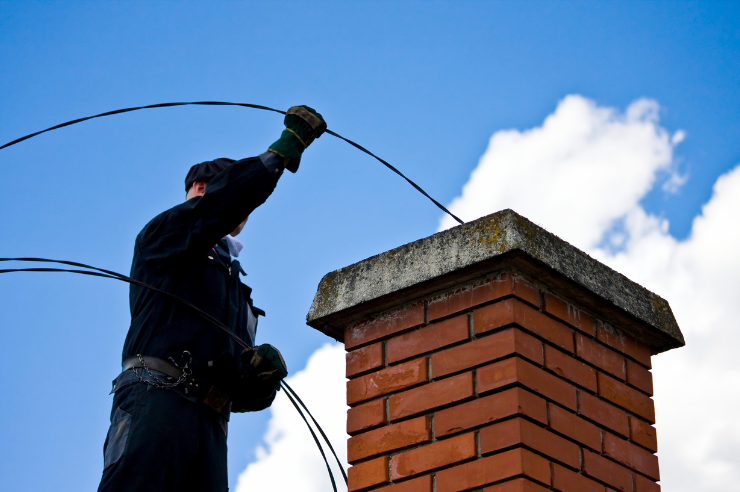
Caps protect your flue from rain, animals, and debris. However, many homes lack proper caps or have damaged ones that no longer function. Without this essential component, water pours directly into the flue system, accelerating deterioration. Professional repair services address cap issues before they cascade into more serious structural problems.
Chimney Maintenance and Inspection
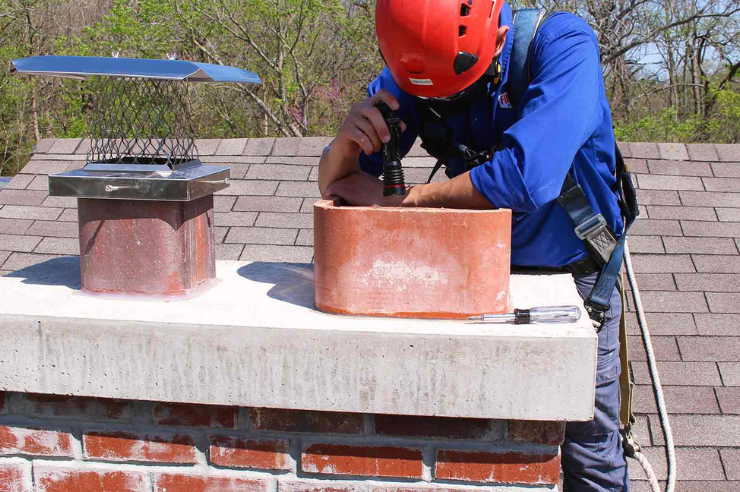
Regular maintenance prevents costly repairs and protects your family from carbon monoxide exposure. However, most homeowners wait until visible damage appears before scheduling an inspection. The National Fire Protection Association recommends annual inspections for all solid-fuel burning appliances, regardless of usage frequency.
Professional Inspection Levels
The Chimney Safety Institute of America defines three inspection tiers. Level 1 inspections examine readily accessible portions of the system and cost entry-tier to standard-tier. Level 2 inspections include video scanning and are required after weather events, home sales, or fuel-type changes. Level 3 inspections involve removing components to access hidden areas.
Essential Maintenance Tasks
Because creosote accumulates with every fire, professional cleaning becomes necessary after burning approximately one cord of wood. Between professional visits, homeowners should:
- Check for animal nests or debris blocking the flue opening
- Inspect the cap for rust or missing sections
- Look for white staining (efflorescence) indicating moisture problems
- Examine mortar joints for cracks or deterioration
- Test smoke and carbon monoxide detectors monthly
Seasonal Timing Matters
Schedule your inspection services during late summer or early fall. Booking in August or September ensures availability before the heating season rush. Spring inspections work well for identifying winter damage, though repair crews often face longer wait times.
Chimney Repair Solutions
When your heating system shows signs of damage, prompt professional intervention prevents minor issues from escalating into costly structural failures. Choosing the right solution depends on the specific problem, the age of your system, and your long-term goals.
Masonry Restoration and Tuckpointing
Crumbling mortar joints and spalling bricks require specialized masonry techniques. Tuckpointing removes deteriorated mortar and replaces it with fresh material matched to your original construction. Historic structures built before 1950 often used lime-based mortar, which requires compatible repair materials to prevent accelerated damage. Professional masons assess mortar hardness using ASTM C270 standards to ensure proper bonding.
Crown and Cap Replacement
The crown—a concrete slab sealing the top—cracks under freeze-thaw cycles, allowing water infiltration. Damaged or missing caps expose the flue to rain, debris, and animal entry. Crown repairs typically involve applying waterproof sealants or complete reconstruction, while cap replacement ranges from entry-tier mesh covers to premium-tier stainless steel designs with integrated spark arrestors.
Flue Liner Installation
Damaged clay tiles or deteriorated masonry flues compromise safety and efficiency. Modern stainless steel liner systems provide a permanent solution, meeting UL 1777 standards for durability. In addition, cast-in-place liners work well for irregularly shaped flues, creating a seamless protective barrier. The Chimney Safety Institute of America reports that proper liner installation reduces carbon monoxide risks by 87% compared to unlined or damaged flues.
Chimney Safety and Creosote Management
Your flue faces a hidden threat every time you light a fire: creosote buildup. This sticky, flammable residue clings to flue walls and grows more dangerous over time.
The Three Stages of Creosote
Not all buildup is equal. Creosote develops in three distinct stages:
- Stage 1: Light, flaky deposits — easiest to brush away
- Stage 2: Tar-like, crunchy coating — harder to remove
- Stage 3: Glazed, rock-hard buildup — extremely dangerous
Stage 3 is the most alarming. In fact, it ignites at just 451°F — a temperature your flue can easily reach during a normal fire.
Wood Choice Matters
The fuel you burn directly affects how fast creosote forms. Softwoods like pine burn cooler and leave behind more residue. Hardwoods like oak and ash burn hotter and cleaner, slowing buildup significantly. For best results, always burn seasoned hardwood dried at least 6–12 months with moisture content below 20%.
For wood-burning guidance, visit EPA BurnWise. For fire safety statistics, see the NFPA.
Stay Ahead of Buildup
Regular creosote cleaning is your best defense. Annual inspections keep Stage 3 from ever forming. Also, review our guide on common chimney and fireplace problems homeowners overlook to spot warning signs early.
Why Choose Professional Chimney Services
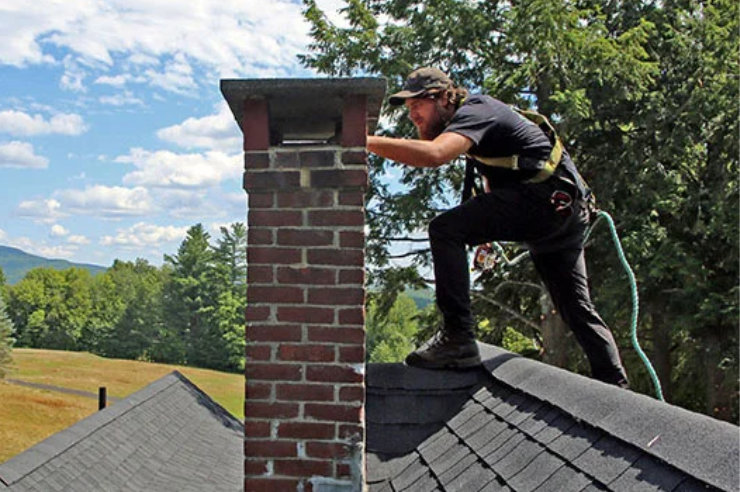
A certified technician brings more than a brush and a ladder. In our experience, homeowners who invest in professional flue care avoid costly surprises—and keep their families safer through every heating season.
A Process Built Around Safety
Professional service means a structured approach every time:
- Thorough inspection of the flue, liner, and firebox
- Transparent estimates before any work begins
- Safety-first repairs that follow NFPA 211 standards
Because no two homes are alike, technicians tailor each visit to your specific system and fuel type.
Local Technicians Who Know Your Area
In our experience, local knowledge matters. Technicians familiar with regional freeze-thaw cycles spot masonry stress that out-of-area crews often miss. For a full list of certified sweep services, or to explore options near you, visit our Denver sweep page.
What Sets Professionals Apart
- Proper equipment for creosote removal and camera inspections
- Clear communication at every step
- Accountability backed by proper licensing and insurance
The biggest advantage is peace of mind. Knowing your fireplace system is clean, sound, and safe—that’s value no DIY shortcut can match.
FAQ
Get Started with Chimney Care Today
Your heating system works hard every season. Don’t wait for a problem to remind you it needs attention. Acting early keeps your home safer and avoids costly repairs down the road.
3 Simple Steps to Protect Your Home
- Schedule an inspection — Book a professional visit before you light your first fire. Learn about sweep services to know what to expect.
- Review the inspection report — Ask questions. Understand what needs fixing now versus later.
- Complete recommended repairs — Finish all work before heating season starts. Visit chimney repair options for common solutions.
Act Before Problems Grow
Small cracks and creosote buildup don’t fix themselves. The NFPA reports that failure to clean heating equipment is a leading cause of home fires.
- Repairs caught early are almost always entry-tier to standard-tier in scope
- Ignored issues can escalate to upper-tier or premium-tier projects fast
- A simple annual inspection takes less than an hour
Ready to Take the Next Step?
Don’t put it off. Contact us today to schedule your inspection and start the season with confidence.
Last updated: May 2026